Samsung Galaxy S26 Ultra vs OPPO Flagship: Ultimate Component & Lab Test Comparison
An in-depth breakdown of raw hardware specs, synthetic benchmark scores, lab-tested display brightness, battery endurance, and structural drop tests.

OVERALL LAB SCORE RECAP
1. Full Specifications & Lab Test Data
A side-by-side technical breakdown incorporating official manufacturer parameters alongside empirical test outcomes from lab evaluations:
| Category | Samsung Galaxy S26 Ultra | OPPO Flagship (Find X Series) |
|---|---|---|
| Launch Date | Announced: Feb 25, 2026 Released: Mar 06, 2026 |
Announced: Oct 16, 2025 Released: Oct 22, 2025 |
| Network Tech | GSM / CDMA / HSPA / EVDO / LTE / 5G | GSM / HSPA / LTE / 5G |
| Body & Dimensions | 163.6 x 78.1 x 7.9 mm | 214 g (7.55 oz) | 161.3 x 76.5 x 8.3 mm | 224 g (7.90 oz) |
| Build & Extras | Gorilla Armor 2 front, Victus 2 back, Armor Aluminum 2 frame, Built-in Stylus S-Pen | Gorilla Glass Victus 2 front, Glass back, Aluminum frame |
| IP Ingress Rating | IP68 (Up to 1.5m for 30 mins) | IP68 / IP69 (High-pressure hot water jets & 1.5m submersion) |
| Display Specs | 6.9" Dynamic LTPO AMOLED 2X, 120Hz, HDR10+, 2600 nits peak, Privacy Display, DX Anti-reflective | 6.78" LTPO AMOLED, 1B colors, 120Hz, 2160Hz PWM, Dolby Vision, HDR Vivid, 3600 nits peak |
| Resolution & PPI | 1440 x 3120 px, 19.5:9 ratio (~500 ppi) | 1272 x 2772 px, 19.5:9 ratio (~450 ppi) |
| OS & Updates | Android 16, One UI 9 (Up to 7 major OS updates) | Android 16, ColorOS 16 (Up to 5 major OS updates) |
| SoC & Node | Qualcomm Snapdragon 8 Elite Gen 5 (3 nm) | MediaTek Dimensity 9500 (3 nm) |
| CPU & GPU | Octa-core (2x4.74 GHz Oryon V3 + 6x3.62 GHz) Adreno 840 (1.3 GHz) |
Octa-core (1x4.21 GHz C1-Ultra + 3x3.5 GHz + 4x2.7 GHz) Arm G1-Ultra |
| Memory & Storage | 256GB 12GB, 512GB 12GB, 1TB 16GB (UFS 4.X) | 256GB 12GB, 512GB 12/16GB, 1TB 16GB (UFS 4.1) |
| Rear Cameras | Quad: 200MP Main (f/1.4, OIS) + 10MP Tele (3x) + 50MP Periscope (5x, OIS) + 50MP Ultrawide | Triple: 50MP Main (f/1.5, 1/1.28", OIS) + 200MP Periscope (3x, OIS) + 50MP Ultrawide Hasselblad |
| Front Camera | 12 MP, f/2.2, Dual Pixel PDAF | 50 MP, f/2.0, 21mm, PDAF |
| Video Recording | Main: 8K@30fps, 4K@120fps, 10-bit HDR Selfie: 4K@60fps |
Main: 4K@120fps, Dolby Vision, LOG Selfie: 4K@60fps gyro-EIS |
| Comms & Sensors | Ultrasonic FP, Barometer, UWB, Samsung DeX, Satellite Connectivity (1TB model) | Ultrasonic FP, Color Spectrum Sensor, Infrared (IR Blaster) |
| Battery Type | Li-Ion 5000 mAh | Silicon-Carbon (Si/C) Li-Ion 7500 mAh |
| Charging Rates | 60W Wired (75% in 30m), 25W Wireless (Qi2.2), 4.5W Reverse Wireless | 80W Wired (UFCS, PPS), 50W Wireless, 10W Reverse Wireless |
| OUR LAB TEST RESULTS (EMPIRICAL DATA) | ||
| AnTuTu v11 Benchmark | 3,892,165 (v10: 2,627,986) | 3,563,384 (v10: 2,719,560) |
| GeekBench v6 (Multi) | 11,566 | 9,697 |
| 3DMark Wild Life Ext. | 7,744 | 6,808 |
| Measured Max Brightness | 1,480 nits | 1,175 nits |
| Loudspeaker Audio Test | -25.9 LUFS (Very good) | -26.6 LUFS (Good) |
| Active Use Score (Battery) | 16:23h Active Score | 21:57h Active Score |
| EU Label Endurance | 55:00h endurance (Class A, 1200 cycles) | 80:06h endurance (Class A, 1300 cycles) |
| Free Fall Test Rating | Class A (Survived 270 drops) | Class C (Survived 90 drops) |
| Repairability Index | Class C (High disassembly complexity) | Class B (Modular component swap) |
| Retail Pricing | ~$898.99 / €954.95 / £796.99 | ~$1,795.00 / €1,069.00 / £799.99 |
2. Deep Dive Component Analysis
A. Ergonomics, Build Quality & Durability SAMSUNG WIN
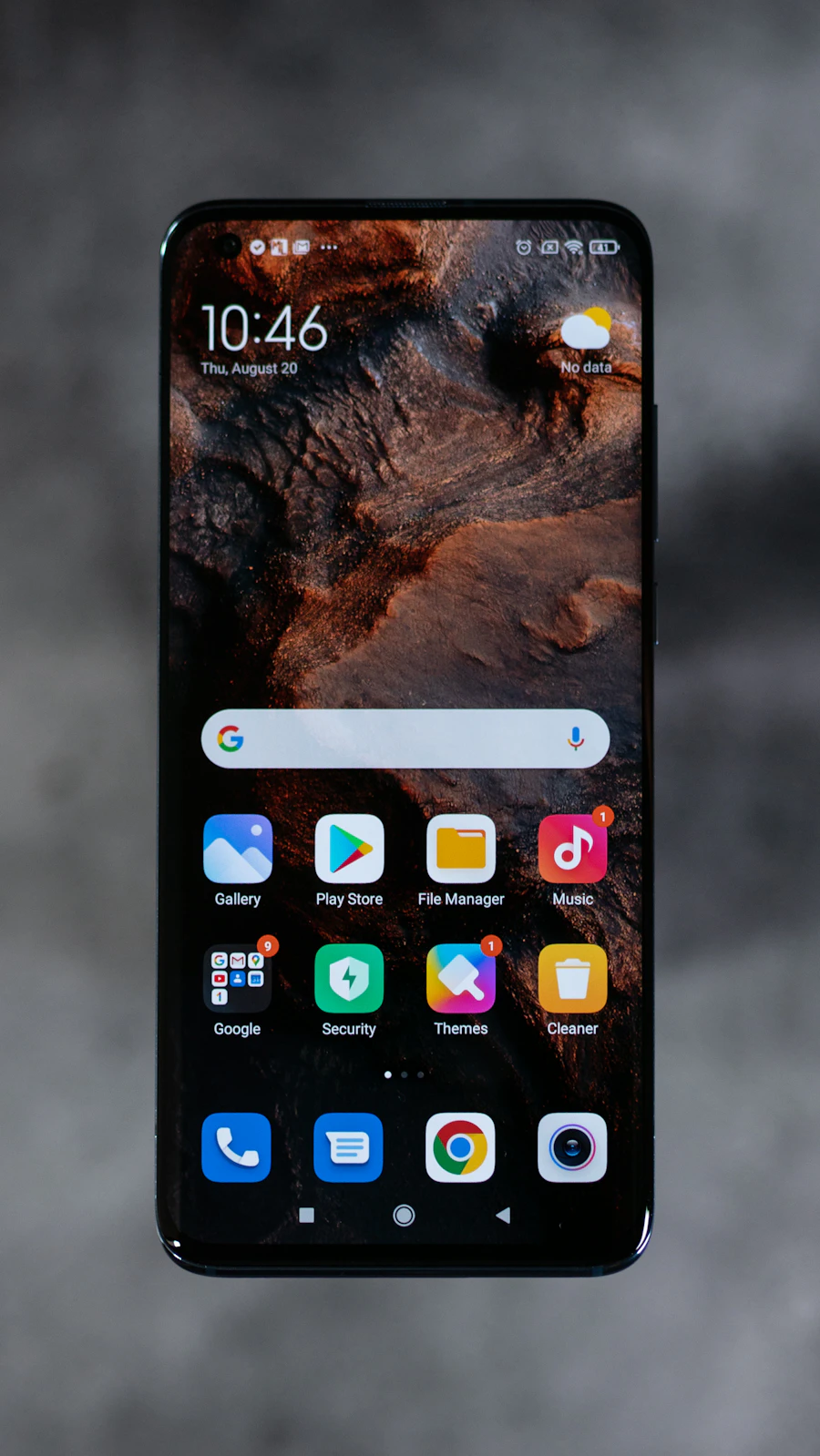
Samsung delivers a sleeker form factor at 7.9 mm thickness and 214 grams, making it visibly more comfortable to hold than OPPO’s chunkier 8.3 mm frame and 224-gram footprint. The integration of Corning Gorilla Armor 2 on the front panel provides structural reinforcement. In standardized Free Fall Drop Tests, Samsung earned a Class A rating (withstanding 270 drop cycles), easily outclassing OPPO's Class C rating (90 drop cycles).
While OPPO holds a minor advantage with its dual IP68/IP69 rating for high-pressure hot water resistance, Samsung’s combination of superior drop protection and built-in S-Pen storage secures the win here.
B. Display Quality & Outdoor Legibility SAMSUNG WIN
Marketing figures often lean into theoretical peak ratings (OPPO advertises 3,600 nits peak), but empirical lab measurements tell a different story. Under real-world ambient glare testing, Samsung Galaxy S26 Ultra achieved a measured maximum brightness of 1,480 nits, topping OPPO’s measured 1,175 nits.
Samsung also incorporates a specialized DX Anti-Reflective Coating that suppresses direct sunlight reflections, alongside higher pixel density (~500 ppi vs ~450 ppi) and a dedicated hardware-level Privacy Display mode.
C. Chipset & Synthetic Performance Suite SAMSUNG WIN

Qualcomm’s Snapdragon 8 Elite Gen 5 (3nm) inside the S26 Ultra exhibits unyielding dominance across all processing benchmarks:
- AnTuTu v11 Benchmark: Samsung breaks records at 3,892,165 points vs. OPPO’s 3,563,384 points.
- GeekBench v6 (Multi-Core): Samsung scores 11,566 points, outstripping OPPO’s 9,697 points by nearly 20%.
- 3DMark Wild Life Extreme (GPU): Samsung scores 7,744 points against OPPO’s 6,808 points.
With Oryon V3 prime cores clocking up to 4.74 GHz, Samsung delivers superior sustained framerates under intense 3D loads.
D. Rear Camera System & Hasselblad Tuning OPPO WIN

OPPO takes the crown in optical photography by deploying a massive 200MP periscope telephoto lens (3x optical) backed by a 1/1.56" sensor and f/2.1 aperture. Night telephoto captures exhibit noticeably lower noise and richer shadow detail compared to Samsung’s 10MP/50MP zoom arrangement.
Combined with Hasselblad Color Calibration and a dedicated hardware color spectrum sensor, OPPO captures superior dynamic range. For cinematographers, OPPO supports 4K Dolby Vision & 10-bit LOG video recording, complementing Samsung’s 8K30fps workflow.
E. Front Camera (Selfie) Quality OPPO WIN
OPPO equips the front panel with a high-resolution 50 MP (f/2.0, 21mm) autofocus sensor. Selfies display unmatched sharpness, rendering skin textures with incredible precision. Samsung retains a modest 12 MP Dual Pixel front sensor—adequate for video calls, but lacking the sheer detail output of OPPO’s front shooter.
F. Speaker Acoustics & Loudness Test SAMSUNG WIN
In standardized acoustic loudness testing, Samsung Galaxy S26 Ultra achieved a rating of -25.9 LUFS (Very Good), demonstrating slightly fuller mid-bass response and higher overall acoustic pressure than OPPO’s -26.6 LUFS (Good) setup.
G. Ecosystem Features, OS & Software Support SAMSUNG WIN
Samsung leads software commitment with a guaranteed 7 major Android OS upgrades (One UI 9), outstripping OPPO’s 5-year update cycle. Furthermore, Samsung includes the integrated S-Pen, Samsung DeX desktop mode, Ultra Wideband (UWB), and emergency Satellite Connectivity on top-tier storage variants. OPPO retaliates with a legacy IR Blaster, but cannot match Samsung's overall ecosystem depth.
H. Battery Life & Charging Speeds OPPO WIN (LANDSLIDE)
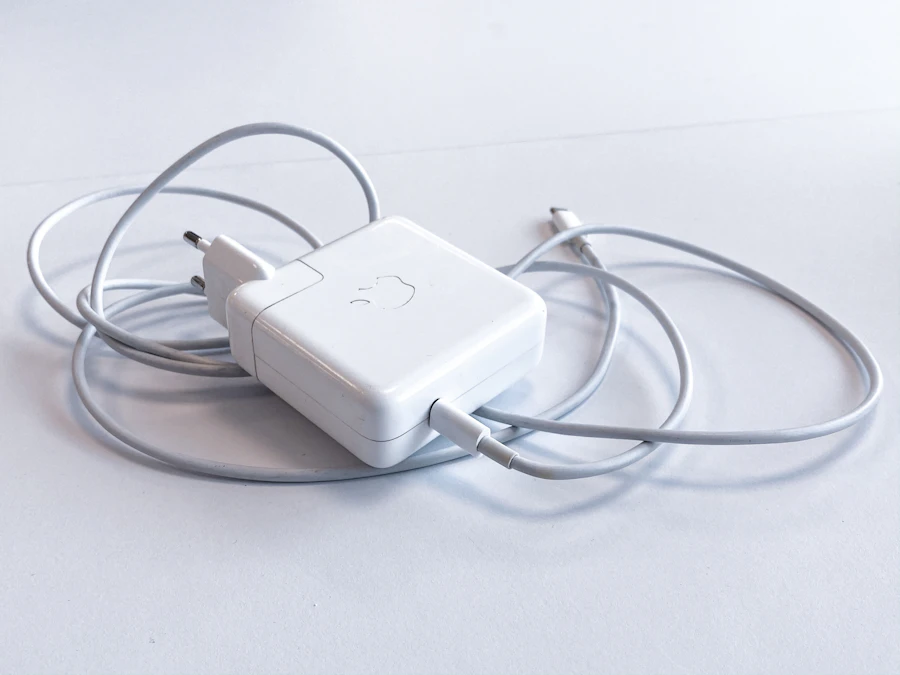
By implementing next-generation Silicon-Carbon (Si/C) battery technology, OPPO crams a massive 7,500 mAh battery into its chassis. Empirical battery testing confirms an overwhelming victory:
- Active Use Score: OPPO records a staggering 21 hours 57 minutes (Samsung manages 16 hours 23 minutes).
- EU Endurance Rating: OPPO delivers 80:06h of continuous endurance over 1,300 lifespan cycles (Samsung scores 55:00h over 1,200 cycles).
- Charging Speeds: OPPO supports 80W wired charging and 50W wireless charging, leaving Samsung behind with its 60W wired and 25W wireless specs.
I. Repairability Index OPPO WIN
Under standardized repairability guidelines, OPPO scores a Class B rating due to modular interior ribbon routing and straightforward battery pull-tabs. Samsung drops to a Class C rating, reflecting a more complex disassembly process around its internal S-Pen housing and display adhesive layers.
3. Component Score Breakdown Matrix
| Component Sector | Samsung S26 Ultra | OPPO Flagship | Sector Winner |
|---|---|---|---|
| Build, Ergonomics & Drop Test | 9.7 / 10 | 9.1 / 10 | SAMSUNG WIN |
| Display Quality & Measured Nits | 9.8 / 10 | 9.2 / 10 | SAMSUNG WIN |
| SoC & Benchmark Suite | 9.9 / 10 | 9.2 / 10 | SAMSUNG WIN |
| Rear Camera System & Hasselblad | 9.5 / 10 | 9.7 / 10 | OPPO WIN |
| Front Camera (Selfie Detail) | 8.8 / 10 | 9.5 / 10 | OPPO WIN |
| Speaker Audio & LUFS Output | 9.4 / 10 | 9.1 / 10 | SAMSUNG WIN |
| Software, S-Pen & Connectivity | 9.7 / 10 | 9.1 / 10 | SAMSUNG WIN |
| Battery Endurance & Fast Charge | 8.1 / 10 | 10.0 / 10 | OPPO WIN |
| Repairability Index | 7.5 / 10 | 8.8 / 10 | OPPO WIN |
| CUMULATIVE SCORE | 82.3 / 90 | 83.3 / 90 | OPPO LEADS BY 1.0 |
Final Verdict & Buyer's Guide
This head-to-head comparison reveals two distinct flagship philosophies:
- Buy the Samsung Galaxy S26 Ultra if you demand peak raw power & productivity: Powered by the Snapdragon 8 Elite Gen 5 (3.89 million AnTuTu v11 points), it delivers unrivaled compute performance. With a 1,480-nit measured display, anti-reflective glass coating, integrated S-Pen, Class A drop resistance (270 drops survived), and 7 years of OS updates, it remains the ultimate power-user device.
- Buy the OPPO Flagship if you prioritize extreme battery life & portrait photography: Featuring a 7,500 mAh Silicon-Carbon battery that achieved nearly 22 hours of active lab usage alongside 80W/50W charging, OPPO sets a high standard for endurance. Its 200MP Hasselblad periscope telephoto lens and 50MP selfie setup make it an outstanding choice for mobile photographers.